


We are both fairly recent converts to silent film, and like most converts we want to share our discovery with the world. Because of this — and also because February 2014 is the 100th anniversary of Charlie Chaplin’s eternal character The Tramp — we are presenting SILENTS IN THE CITY, a program of silent short films, including Chaplin’s The Immigrant.
So you say you don’t like silent films? We used to say the same thing. Then we found that you really haven’t experienced them until you’ve seen them on a big screen in a dark room. Sure, you can watch most of these on a computer or a phone, but in their natural habitat, you will experience their powerful cinematic magic.
We think this is because silents rely on titles for dialogue and exposition — they actually involve the audience’s imaginations in the process of creating the film. They also increase viewers’ appreciation of movies in general, as most modern films build on concepts first originated in silents. (There’s many other reasons too; we’ve never seen a better or more concise list than the one here.)
All of the films have been transferred to DCP from the best available prints and feature beautiful scores. In addition, The Immigrant was recently restored by Serge Bromberg and David Shepard of Lobster Films, known for their 2011 restoration of Méliès Trip to the Moon. Join us for some silent marvels — if you try them, you just might like them.
Showtimes:
Fri, Feb. 28: 7:00 p.m.
Sat, Mar 1: 5:00 p.m.
Sun, March 2: 5:00 p.m.
Thurs, March 6: 7:00 p.m.
Fri, March 7: 7:00 p.m.
Sat, March 8: 5:00 p.m.
Sun, March 9: 5:00 p.m.
Thurs, March 13: 7:00 p.m.
STARTS FRIDAY, FEBRUARY 28
Silents in the City
NR - 77 min - Tickets $7
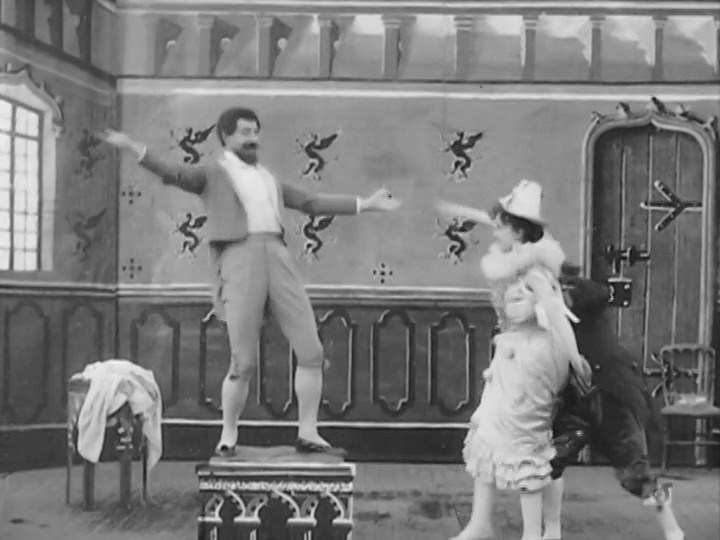 Excelsior, Price of Magicians (1901) (above)
The Magic Cauldron (1903)
Un Homme de Têtes (1898)
“Trick shot” short films, all starring, written, and directed by George Méliès, great-great-grandfather of today’s visual effects.
Mighty Like a Moose (1926)
Starring Charley Chase, directed by Leo McCarey.
Charley (sometimes spelled Charlie) Chase is a lesser-known contemporary of Chaplin and Keaton’s. He was a master of slapstick whose comedy originated in awkward situations. Mr. and Mrs. Moose both get makeovers, so much so that they don’t recognize each other when they meet by accident.
The Love Nest (1923) — Written and directed by Buster Keaton
In an attempt to forget his lost sweetheart, Buster takes a long trip at sea where he ends up on a ship run by a strict captain.
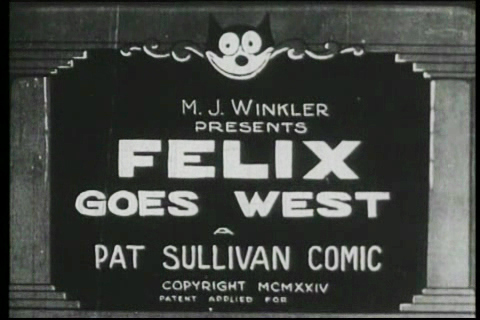 Felix Goes West (1924) — Written and directed by Otto Messmer
Carefree freeloader Felix the Cat gets kicked out of a tea room and decides to, yes, go west, meeting with all sorts of people and adventures.
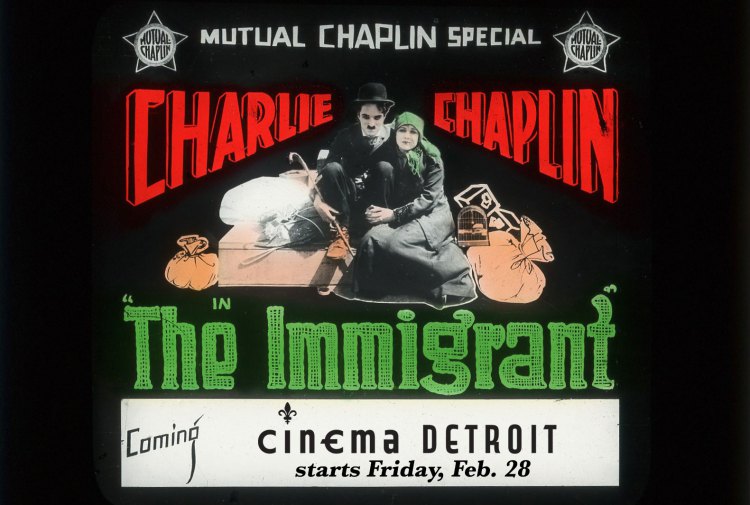 The Immigrant (1917) — Co-written and directed by Chaplin
Charlie plays the title role, a guy who endures a challenging voyage and gets into trouble as soon as he arrives in America.
Share this:

Categories: Features



Nice to see converts express such outright enthusiasm in recognition of silent film visuals as an important component of silent film as an exhibition art form. Since you express interest in high quality, albeit here in digital replication, emphasizing period-sourced historical originality of visual element sourcing, how about including the equally important other historically critical component- the highest quality originality of the simultaneous live performance musical element, too? Live in-performance scoring to silent films has often slipped these days into the hands of clueless historical revisionists who deny such historical silent film industry participant created original period scores ever existed, do not survive, or are not worthy of consideration for modern day performance using dismissive qualitative judgements intended as mandates for replacement often improvised anachronistic performer display scorings that prevent audiences from experiencing historical works of referential artistic merit, let alone shifting the dire cultural impact of replacement impositions onto otherwise trumpeted historical revival efforts such as your’s. Original scores are the genuine music accompaniment scores prepared in the period of initial release by professional industry participant musicians that were actually performed together with these films, intact both in content and style as the filmmakers intended and the audiences expected. One hopes that emerging enthusiastic presenters of silent films such as you will also schedule professional performances of the actual scores written for these films for their period original releases or historically-informed period-sensitive scorings incorporating the actual published film scoring materials utilized by the musicians of the day, whatever the choice carefully performed in stylistic authentic manner would match their attention to such equivalent visual details. - Dennis James, SILENT FILM CONCERTS
LikeLike
Thank you for your comment. We love the experience of live music with silent films. The reality is, we have been in business 3 months and have no idea if there is enough interest to even cover the cost of presenting these films, let alone fund live performance of their scores. In other words, we are doing what we can.
That said, all of the Silents in the City short films are accompanied by the original scores, several by well-known accompanists. For instance, THE IMMIGRANT’s score is by Neil Brand.
LikeLike